
You’re in the exam chair. Dr. Sheen finishes his examination, turns to you, and says, “This tooth needs a crown.” Your first thought might be: Do I really need a dental crown? Is there another option?
Those are fair questions. In fact, we welcome them. At The Annapolis Center for Dental Health and Wellness, we believe informed patients make the best health decisions. So let’s break down what a crown actually does and when it’s the right choice.
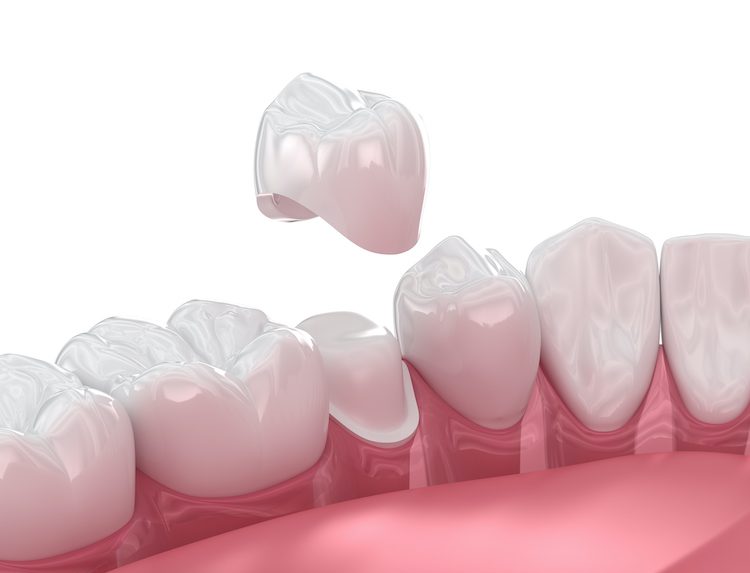
What Is a Dental Crown?
Think of a crown as a protective helmet for your tooth. It’s a custom-made cap that covers the entire visible portion of your tooth above the gumline.
Crowns are crafted from materials like porcelain, ceramic, or metal alloys. Modern crowns, especially the ones we use, are designed to look, feel, and function just like natural teeth. When we place a crown, our goal is that you forget it’s even there.
When Is a Crown the Best Option?
Not every cavity needs a crown. Some do. Here’s when we typically recommend them:
- Large fillings that need replacing: If a filling takes up more than half the tooth’s width, the remaining structure becomes vulnerable. A crown wraps around the whole tooth, holding it together and preventing damage.
- Fractured Teeth: Some teeth develop tiny fractures that aren’t visible on X-rays. These fractures cause pain when you bite down or chew. A crown holds the tooth together so the damage doesn’t spread.
- After a root canal: Teeth that have had root canal treatment no longer have a living nerve inside. They become more brittle over time. A crown protects them from fracturing under normal biting pressure.
- Severe wear from grinding: Years of grinding can wear teeth down to nubs. Crowns restore their height, shape, and function while protecting what’s left.
- Cosmetic improvement: Sometimes a crown is the best way to fix a discolored, misshapen, or badly damaged tooth that can’t be improved with simpler treatments.
What About Fillings Instead?
Fillings work well for small to medium cavities. We remove the decayed portion and fill the space with a tooth-colored composite. The tooth stays mostly intact, and the procedure is quick and conservative.
But when a tooth is significantly compromised, whether from decay, chips, or wear, a filling isn’t enough. The remaining tooth walls can flex under pressure. That flexing can lead to cracks, and cracks can lead to bigger problems. A crown distributes force evenly across the entire tooth, protecting it from the inside out.
The Crown Process: What to Expect
Getting a crown typically takes two visits. At the first appointment, we prepare the tooth by reshaping it to make room for the crown. We take digital impressions, which are more comfortable than traditional molds. Then we place a temporary crown to protect the tooth while we make your permanent one.
At the second visit, we remove the temporary, check the fit and color of your new crown, and cement it into place. The whole process is comfortable, and most patients are surprised by how natural the final result looks.
We’ll Never Recommend Treatment You Don’t Need
That’s a promise. Our goal isn’t to sell you procedures; it’s to help you keep your natural teeth healthy for as long as possible. Sometimes that means a crown. Sometimes it means a filling. And sometimes it means watching and waiting.
If you have questions about a treatment we’ve recommended, ask us. We’ll walk you through the reasoning, show you the images, and explain your options. You deserve to understand what’s happening in your own mouth.
Let’s Talk About Your Smile
If you’ve been told you need a crown, or if you’re dealing with a tooth that’s causing pain or concern, we’d love to help. Call us at (443) 482-5202 to schedule an appointment. We’ll take a close look, explain what we find, and work with you to choose the best path forward.