
If you snore, you’ve probably heard about it from someone else. A partner. A roommate. A family member on vacation who politely moved to the couch. Maybe you’ve laughed it off. Maybe you’ve tried nose strips or a new pillow. But have you considered asking your dentist about snoring and sleep apnea treatment?
At The Annapolis Center for Dental Health and Wellness, we ask about sleep because we’ve seen how closely it’s tied to oral health. And for some patients, the first clue about a serious sleep problem shows up in the dental chair, not the bedroom.
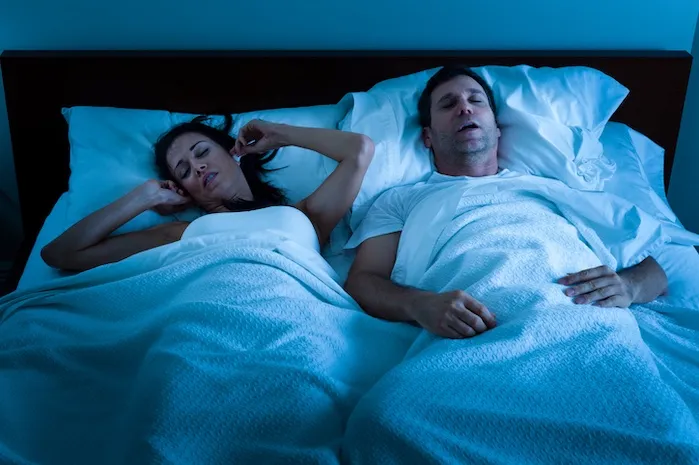
Why Would a Dentist Care About Snoring?
It sounds like an odd pairing at first. But think about what we examine during every visit: your jaw, your bite, your tongue, your airway, and the wear patterns on your teeth. Those structures are the same ones involved in breathing at night.
When you sleep, the muscles in your throat relax. In some people, the airway narrows enough that breathing becomes noisy; that’s snoring. In others, the airway can actually collapse, cutting off breathing for short stretches. That’s obstructive sleep apnea, and it’s far more serious than loud nights.
The Signs We Look For
Sleep apnea often goes undiagnosed for years. Many people don’t realize they have it because the symptoms happen while they’re asleep. But some clues show up in your mouth:
- Worn or flattened teeth, often from clenching and grinding during restless sleep
- Jaw structure and tongue position that suggest a narrow airway
- Dry mouth or sore throat in the morning
- Crowded teeth or a receding lower jaw, which can contribute to airway issues
- Reports of gasping, choking, or pauses in breathing from a partner
We also simply ask. If you mention that you’re exhausted despite eight hours in bed, wake up with headaches, or have been told you snore loudly, that’s worth exploring.
Why It Matters Beyond Sleep
Untreated sleep apnea doesn’t just make you tired. It’s linked to high blood pressure, heart disease, stroke, and blood sugar problems. Daytime fatigue raises the risk of accidents on the road and at work. You can’t fix your energy, focus, or health if you’re not breathing well at night.
How We Can Help
Dentists play a real role in sleep health, sometimes as the first to notice a problem, and sometimes as part of the solution.
For mild to moderate cases, we can create a custom oral appliance. It looks a bit like a sports mouthguard and gently holds your lower jaw forward, keeping your airway open while you sleep. It’s comfortable, quiet, and easy to travel with.
For more complex cases, we work alongside your physician or a sleep specialist. A proper diagnosis matters, and we’re glad to be part of your care team. We’ll also address related issues we find along the way, like worn teeth from grinding or jaw tension from a strained bite.
You Don’t Have to Just Live With It
Snoring is common, but it isn’t something you have to accept. And exhaustion isn’t a personality trait; it’s a signal. If you’ve been told you snore, wake up feeling unrested, or your partner has noticed pauses in your breathing, bring it up at your next visit. We’ll listen, take a close look, and help you figure out the next step.
Better sleep might start with a conversation you didn’t expect to have at the dentist.
Call us at (443) 482-5202 to schedule an appointment. We’re happy to talk about sleep, snoring, and how your oral health connects to the rest of your life.