
Discovering that a dental crown has fallen off can be unsettling, especially if it happens while eating or brushing. Although it’s not usually a dental emergency, a lost crown does require prompt attention to protect your tooth and avoid further complications. Understanding the right steps to take can help you stay calm, reduce discomfort, and preserve your dental work until you can see a dentist.
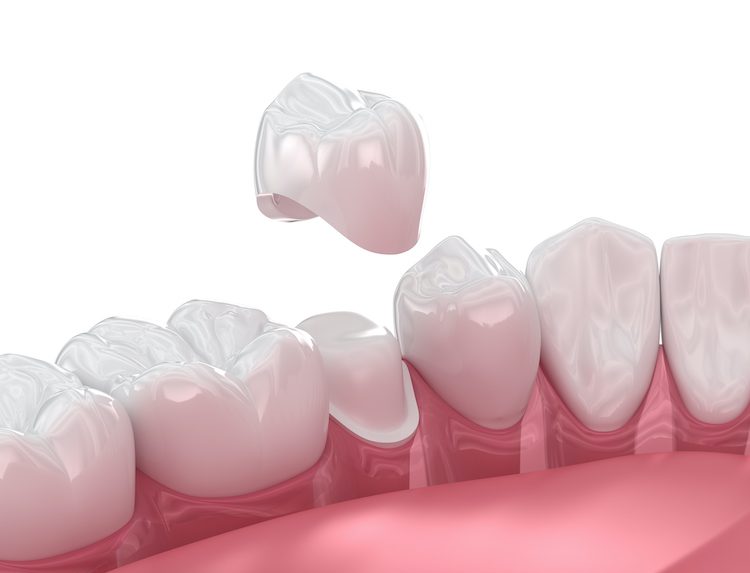
Stay Calm and Find the Crown
When a crown dislodges, the first step is simply to stay calm. Crowns can come off for a variety of reasons, including aging dental cement, tooth decay under the crown, or biting down on something hard. Once you’ve noticed that it has fallen off, look for the crown right away. Keeping the crown safe gives your dentist the best chance of reattaching it, which can save both time and money compared to replacing it entirely. If you find it, gently rinse the crown with warm water to remove any debris. Avoid scrubbing or attempting to alter it in any way. Place it in a clean container or small plastic bag until your appointment.
Protect the Exposed Tooth
Without the crown, the underlying tooth is left vulnerable. This can lead to sensitivity, discomfort, and an increased risk of damage. If the tooth feels sharp or rough, be mindful while eating or speaking to avoid irritating your cheek or tongue. Many people notice sensitivity to temperature or pressure once the crown is gone, which is normal and usually temporary.
If you need to protect the tooth before seeing your dentist, over-the-counter temporary dental cement can help hold the crown in place for a short period. Apply it sparingly inside the crown and press the crown back onto your tooth. This should only be used as a temporary solution. Avoid using household glues, as they can damage the tooth and are unsafe for oral use.
Be Careful With What You Eat
Eating with a missing crown requires extra caution to avoid further damage to the exposed tooth. Stick to soft foods and chew on the opposite side of your mouth. Foods like yogurt, soup, mashed potatoes, scrambled eggs, and soft fruits are generally safe. Try to avoid sticky or hard foods, as they may cause pain or increase the chance of breaking the tooth. If you’ve temporarily reattached the crown with dental cement, soft foods will also help keep the crown stable until you reach the dentist.
Call Your Dentist as Soon as Possible
Even if you’re not experiencing pain, contact your dentist promptly. A lost crown should not be ignored, as delaying treatment can lead to decay, tooth movement, or damage that may require a root canal or a more complex restoration. Most dental offices can schedule a same-day or next-day appointment for situations like this.
During the visit, your dentist will examine the tooth and the crown. If both are still in good condition, the crown may simply be re-cemented in place. If the tooth has decayed or changed shape, a new crown may be necessary. Your dentist will explain your options and recommend the best course of treatment.
Keep Having Regular Checkups
Once your crown is repaired or replaced, maintaining regular dental checkups can help prevent future issues. Your dentist can monitor the stability of your crowns, check for early signs of decay, and ensure the surrounding teeth and gums remain healthy. Good oral hygiene, including brushing twice a day and flossing daily, can help your crown last for many years.
Dental Crown Care in Annapolis, MD
At Annapolis Center for Dental Health & Wellness, we are dedicated to preserving your natural teeth. A dental crown could help prevent the need for an extraction and reduce pain or sensitivity. If your crown loosens or falls out, don’t hesitate to reach out. Contact us right away to schedule an appointment and protect your oral health.